Alcohol detox is the period when someone stops drinking, and the body adjusts as alcohol leaves their system. During this time, withdrawal symptoms can appear, which is why medical supervision matters. Instead of trying to manage these effects alone, detox allows the process to happen in a controlled setting where safety comes first.
This care is provided in licensed facilities with medical staff who regularly check vital signs and address symptoms as they arise. In a top-rated rehab center, this hands-on supervision helps lower health risks during withdrawal and prepares the individual for the next steps in treatment.
Understanding Alcohol Detox
The detoxification process involves your body naturally clearing alcohol from your system while dealing with potentially uncomfortable withdrawal symptoms. Think of it like hitting the reset button on your physical health, though it's not always smooth sailing. Medical supervision becomes necessary because withdrawal can range from manageable anxiety and nausea to more serious complications like seizures or delirium tremens in severe cases.
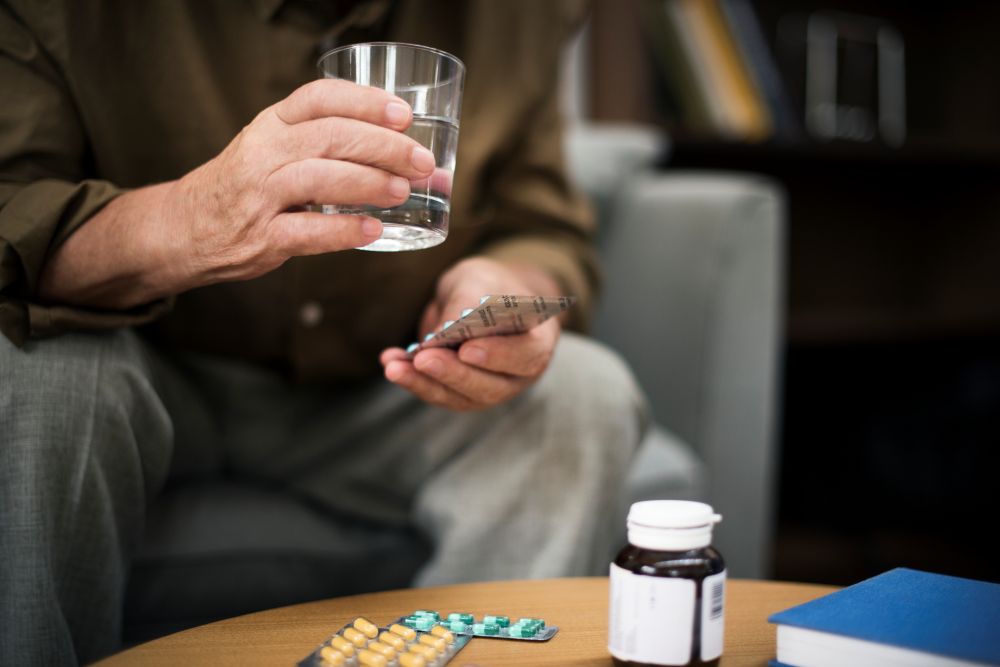
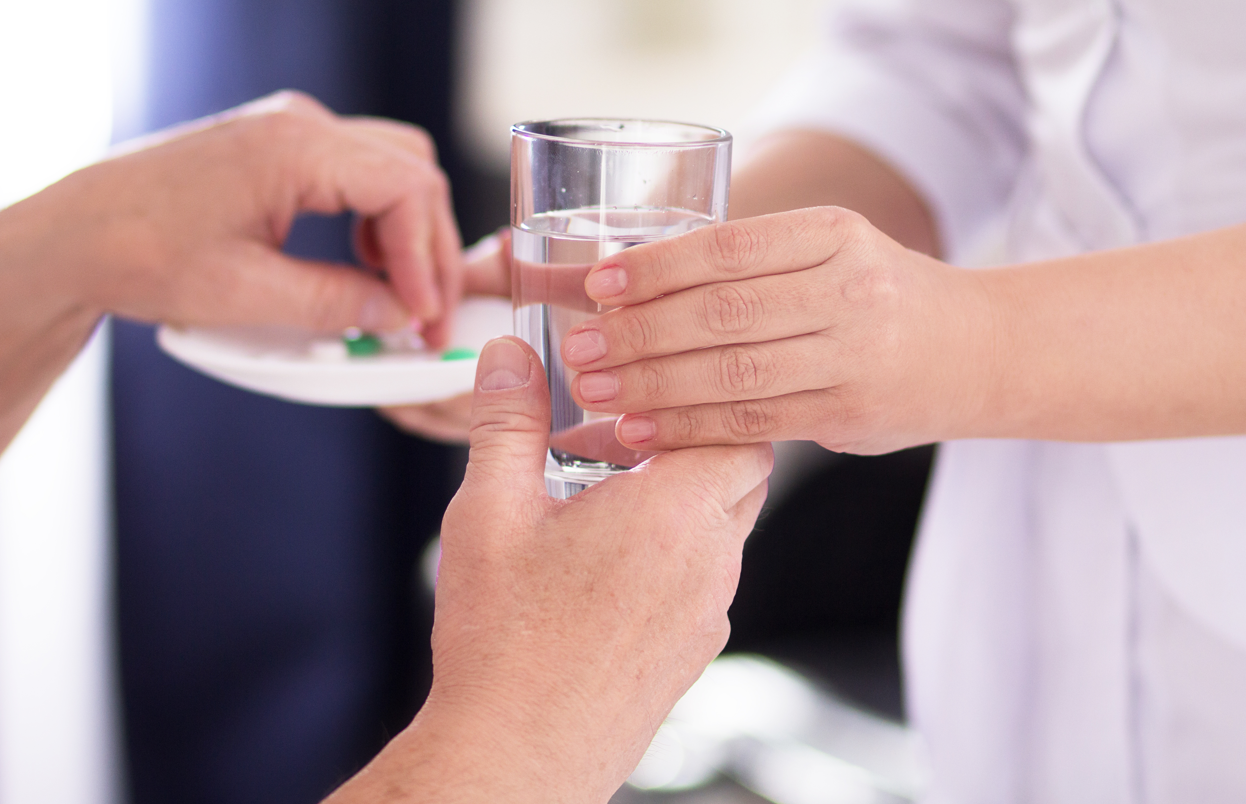
Healthcare providers often prescribe medications to ease symptoms and keep you comfortable during this phase. The whole point is giving your body time to readjust to functioning without alcohol while keeping you safe. Most people find that having medical professionals nearby makes the experience far more manageable than trying to quit cold turkey at home.
Why Detoxification Matters
This initial phase sets up everything that comes after in your recovery process. Your body has been working overtime to process alcohol, and detox gives your liver, brain, and other organs a chance to start healing. Without this foundation, jumping into therapy or other treatments becomes much harder because you're still dealing with physical dependence.
The psychological benefits start showing up pretty quickly too. Once the fog lifts, many people report feeling more clear-headed and emotionally stable than they have in months or years. It's like cleaning the slate so you can actually focus on building healthier habits and coping strategies.
How Your Body Removes Alcohol
Your liver does most of the heavy lifting here, breaking down alcohol into acetaldehyde and then into harmless substances that get filtered out through your kidneys and lungs. The process happens at a pretty steady rate regardless of how much you've been drinking, which is why withdrawal symptoms can persist for several days.
During this time, your nervous system is basically recalibrating itself. Alcohol acts as a depressant, so when you remove it, your brain sometimes overcorrects by becoming hyperactive. This explains why people experience tremors, anxiety, or sleep problems during detox. Medical staff can help smooth out these fluctuations with appropriate medications and monitoring.
Benefits You Can Expect
Once you get through detox, the improvements come fast. Most people notice better sleep patterns within a week or two, though it might take a few tries to find your natural rhythm again. Your appetite usually returns to normal, and you might be surprised by how much better food tastes when your taste buds aren't dulled by alcohol.
The mental clarity is often the most dramatic change. Decision-making becomes easier, concentration improves, and that constant background anxiety many people live with starts to fade. Your relationships begin improving too, partly because you're more present and partly because family and friends start trusting you again when they see you taking recovery seriously.
Physical health rebounds pretty quickly in most cases. Your blood pressure often normalizes, your complexion clears up, and you might lose some weight without trying. These changes help reinforce your commitment to staying sober because you can actually see and feel the difference.
Breaking Free from Addiction
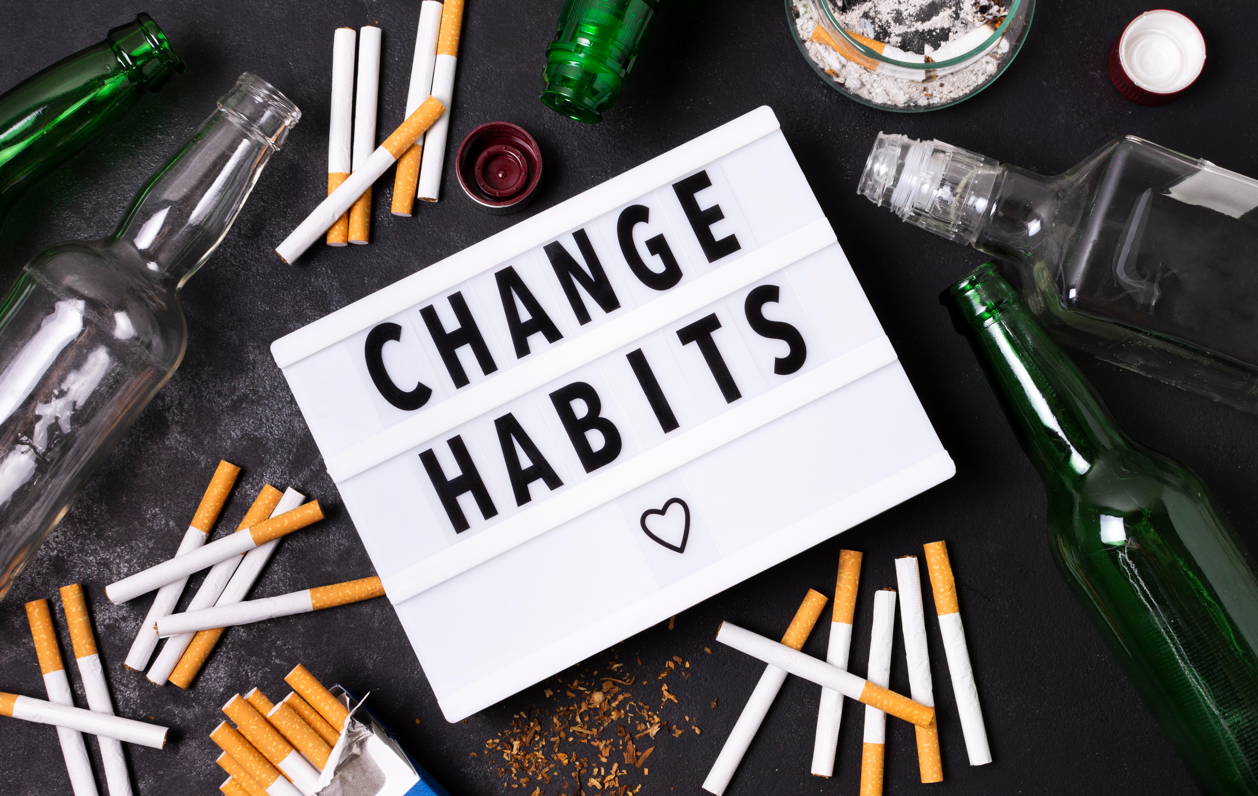
Detox addresses the physical side of alcohol dependence, but it's really just the starting line for comprehensive addiction treatment. Once your body isn't craving alcohol anymore, you can focus on the psychological and behavioral patterns that led to drinking in the first place.
Many treatment programs combine detox with counseling, group therapy, and education about addiction. This gives you practical tools for handling stress, social situations, and other triggers that might tempt you to drink again. The goal is building a sustainable lifestyle that doesn't require alcohol to function or feel normal.
Having medical professionals involved during this phase also means getting connected with ongoing support services. They can recommend therapists, support groups, or outpatient programs that match your specific situation and needs.
Getting Support Throughout Recovery
Building a strong support network makes all the difference in maintaining sobriety after detox. This might include family members who understand what you're going through, friends who support your decision to quit drinking, or people you meet in support groups who've walked the same path.
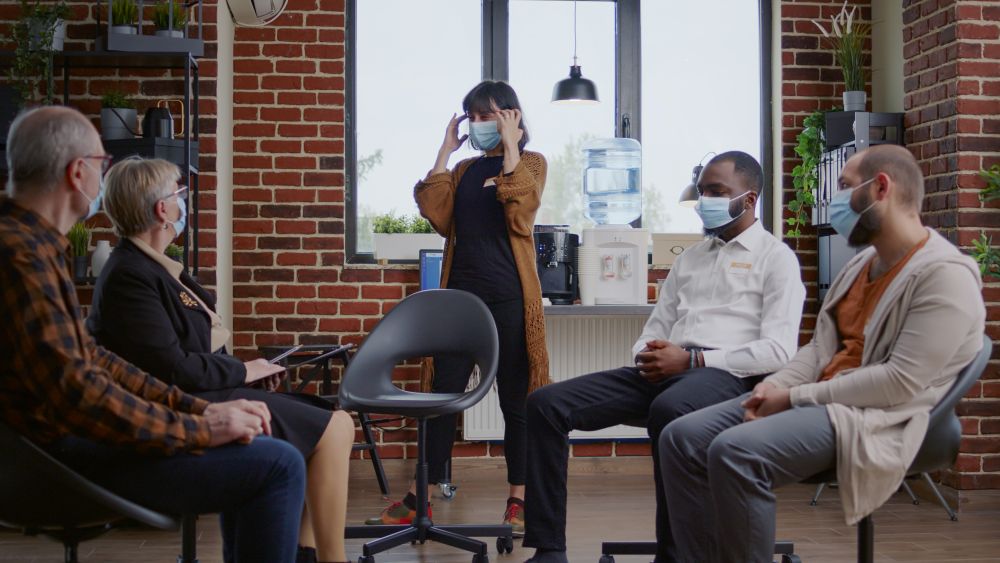
Professional counselors bring expertise in addiction treatment and can help you work through underlying issues that contributed to your drinking. Many people find that group therapy provides both accountability and encouragement from others facing similar challenges.
Don't underestimate the value of practical support either. Having someone to call during difficult moments, people to spend time with in alcohol-free environments, or even help with daily tasks during early recovery can prevent relapse when you're feeling overwhelmed.
Remember that asking for help shows strength, not weakness. Recovery is challenging work, and having the right support system makes it much more achievable. Most successful recovery stories involve people who weren't afraid to reach out when they needed assistance or encouragement.
Contact Us
If you or a loved one is seeking compassionate and professional addiction treatment, Niagara Recovery is here to help. Reach out to us to begin the journey toward recovery.
Facility Address: 2600 William St, Newfane, NY 14108
- Intake Phone: (716) 203-8000
- Facility Phone: (716) 265-3700
Email: admissions@niagararecovery.com
Office Hours: Monday–Sunday: 24 hours
Related Topics: